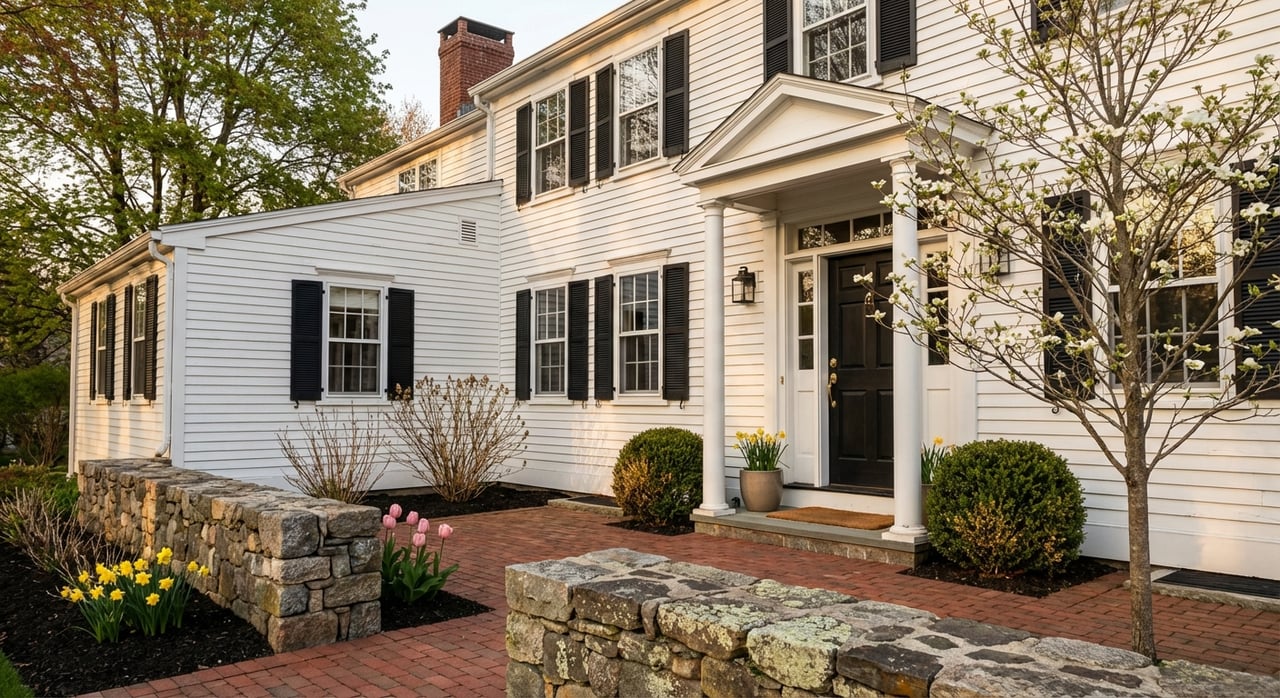
Thinking about listing your Weston home this spring? With buyer activity often peaking in April and May, the right prep can help you launch strong, manage inspections smoothly, and showcase your property at its best. You also face a few Weston‑specific steps, like septic and wetlands reviews, that can affect timing and budget. In this guide, you’ll get a clear 8–10 week plan, what to handle first, who to call at Town Hall, and how to stage and photograph an estate‑scale property for maximum impact. Let’s dive in.
Why spring works in Weston
Weston is one of Greater Boston’s highest‑value suburbs, and the market reflects it. PropertyShark reported a Q3 2025 median sale price around $2.2 million for Weston, which underscores the importance of premium presentation and careful pricing for move‑up and luxury listings. You can review the trend details in the latest PropertyShark Weston market report.
Spring brings more buyer tours across MetroWest, and Weston’s estate‑scale lots and classic New England homes photograph beautifully once the landscape greens up. Local families also pay close attention to school calendars. Weston Public Schools are widely recognized for strong academic performance, which supports steady buyer interest. See the Niche overview of Weston Public Schools for general context.
Bottom line: spring is a smart window for visibility. The key is starting early, so you have time for any permits, septic steps, and high‑impact prep.
Your 8–10 week prep plan
Use this simple, town‑aware checklist to get market‑ready without last‑minute stress.
8–10 weeks out: strategy, permits, and big fixes
- Meet with a Weston‑savvy listing agent to review comps, set a target go‑live week, and map out your work list and budget.
- Confirm septic status. If your home is on a private system, schedule a Title V inspection now. The Weston Board of Health oversees septic permits and can advise on timelines if repairs are needed.
- Before major yard work or tree removal, check wetland proximity and buffers. Contact the Weston Conservation Commission to confirm if a filing or hearing is required.
- Planning exterior or footprint‑changing projects? Speak with Inspectional Services about permits, stormwater thresholds, and any review triggers that can extend schedules.
6–8 weeks out: clean, repair, and curb appeal
- Declutter and depersonalize. Consider short‑term storage to open up rooms and hallways.
- Tackle high‑ROI refreshes: neutral interior paint, updated lighting or hardware, grout and caulk touch‑ups, professional deep clean, HVAC service, and roof or gutter repairs.
- Boost curb appeal: pressure wash, trim shrubs, edge and seed the lawn, touch up exterior paint, refresh the front door, and update entry lighting. If yard work touches possible wetland buffers, confirm with the Conservation Commission first.
4–6 weeks out: staging and verification
- Choose your staging plan. For higher‑end homes, professional staging in key rooms is often worthwhile. Industry reporting and NAR surveys show staging can shorten time on market and, in some cases, increase offers. Review the NAR staging resources and this industry roundup of staging results, then book early for spring.
- Preempt inspection snags. Address common flags like older water heaters, failed window seals, visible roof issues, or basement moisture stains. Keep receipts and permits handy for your listing packet.
- If you need a formal valuation baseline for an estate or major renovation, consider a pre‑listing appraisal.
2–3 weeks out: photography and final styling
- Schedule professional photography for a sunny day with full leaf‑out. Weston sits near USDA Zone 5b, so late April to May often captures peak greens. Check the Massachusetts hardiness map for timing and plan a weather backup.
- For larger properties, add twilight images, drone photography by a licensed operator, floor plans, and a 3D tour for stronger digital engagement.
- Complete a final staging walkthrough. Prioritize high‑impact rooms like the living room, kitchen, and primary suite.
- Build a one‑page show sheet that highlights recent system upgrades, septic documentation, permits, energy or water updates, and neighborhood context.
1 week to launch: show‑ready details
- Deep clean, neutralize scents, and set a comfortable thermostat. Remove or secure valuables and create a plan for pets.
- Finalize your disclosures and documents: Title V report if available, receipts for recent work, permits, and lead‑paint materials if the home was built before 1978.
- Confirm lockbox placement, private showing windows, and any security protocols appropriate for a luxury listing.
Septic and Title V essentials for Weston sellers
Most Weston homes use private septic, and Massachusetts Title 5 regulates inspections at transfer. Scheduling early avoids closing delays if repairs are needed. The MassDEP Title 5 overview explains how inspections impact real estate transactions, including remedies when a system does not pass. Locally, the Weston Board of Health handles septic permitting and can advise on seasonal work, testing requirements, and inspection coordination.
What this means for you: book the inspection at the start of your prep, keep all septic records in your listing packet, and allow extra time if your property needs a repair design, Board of Health review, or installation.
Historic and wetlands checks: when to call the Town
Weston’s setting includes wetlands, ponds, and protected resource areas. Even seemingly simple yard projects, like grading or substantial tree removal, can require filings. Contact the Conservation Commission early if your lot is near wetlands or you plan landscape or hardscape changes.
For exterior building work, roofing or siding updates, or larger hardscape additions, confirm permits and any stormwater or erosion reviews with Inspectional Services. Some projects that add more than a defined amount of new impervious surface can trigger extra review. If your home is on a historic inventory, exterior changes can also require review. Start these conversations before you book contractors.
Staging and photography for Weston estates
In a high‑value market, presentation is part of your pricing power. NAR and industry reporting indicate that staging often reduces days on market and can boost buyer interest. Explore the NAR staging insights and this industry survey summary as you budget.
What to prioritize:
- Main living areas and the primary suite. Scale‑appropriate furniture and layered lighting help buyers feel the space.
- Exterior storytelling. Fresh mulch, clipped hedges, and a tidy drive make twilight and drone shots sing.
- High‑caliber visuals. Invest in professional photos, floor plans, and a 3D tour so buyers can understand layout and acreage online before they tour.
Pro tip: book photographers for a leafy day, with a weather backup. For large parcels, add a short lifestyle reel to highlight approach, outdoor entertaining, and seasonal gardens.
Disclosures, lead paint, and your document packet
- Title V and septic: Provide your inspection report if available, and summarize any system upgrades or service records. See MassDEP’s Title 5 guidance for the rules that apply at transfer.
- Lead paint: For homes built before 1978, federal law requires a brochure and disclosure of known information, plus a standard inspection window for buyers. Review the EPA’s Lead‑Based Paint Disclosure Rule for details.
- Massachusetts seller disclosures: The state does not use a single, comprehensive form like some others. You must disclose known material defects and comply with federal and state rules. Lean on your listing attorney and agent for exact language.
Create a clean, well‑organized folder or digital packet for buyers’ agents with receipts, permits, system ages, utility notes, and any town documentation you have obtained.
Avoid common delays and risk points
- Septic timing. Title V inspections, repair designs, and Board of Health steps can add weeks. Start early.
- Conservation filings. Hearing calendars have submission deadlines. Factor this into your schedule before yard or hardscape work.
- Historic or exterior reviews. Roofing, siding, and other visible changes may require review, which extends timelines.
- Weather and seasonality. Spring shoots quickly, but leaf‑out can vary year to year. Keep a flexible photography plan.
- Spring vendor demand. Stagers, landscapers, and photographers book up. Reserve your team several weeks ahead.
Pricing and launch strategy
Indices and headlines can be helpful, but they measure different things. PropertyShark’s median sale figure is a useful context point, yet your pricing should rely on fresh, hyper‑local comps and your home’s unique features. Align your launch with peak buyer activity in April to May when possible, and adjust to current MLS momentum in the weeks before you list.
Ready to build your custom timeline, line up staging, and launch with confidence this spring? Reach out to Ashley Fuller to map your Weston‑specific plan and maximize your market debut.
FAQs
When is the best spring week to list a home in Weston?
- Buyer activity often increases from March through May, with many sellers aiming for late April to May. Confirm the final timing against the most recent MLS trends before you go live.
What should Weston sellers know about septic and Title V?
- Most homes in town use private septic. A passing Title V inspection is typically required at transfer, so schedule it early and work with the Weston Board of Health on any permits or repairs.
Do I need to stage a luxury home in Weston?
- Professional staging of key rooms usually improves photos, reduces time on market, and can increase buyer interest. Book early for spring and pair it with high‑quality photography and a 3D tour.
How far in advance should I schedule real estate photography?
- Aim for 2–3 weeks before your target launch and hold a weather backup. Plan for full leaf‑out to showcase grounds, plus twilight and drone images for larger lots.
What disclosures are required for older Massachusetts homes?
- You must disclose known material defects and comply with federal and state rules. Homes built before 1978 require the EPA lead‑paint brochure and disclosure, plus a standard inspection window for buyers.