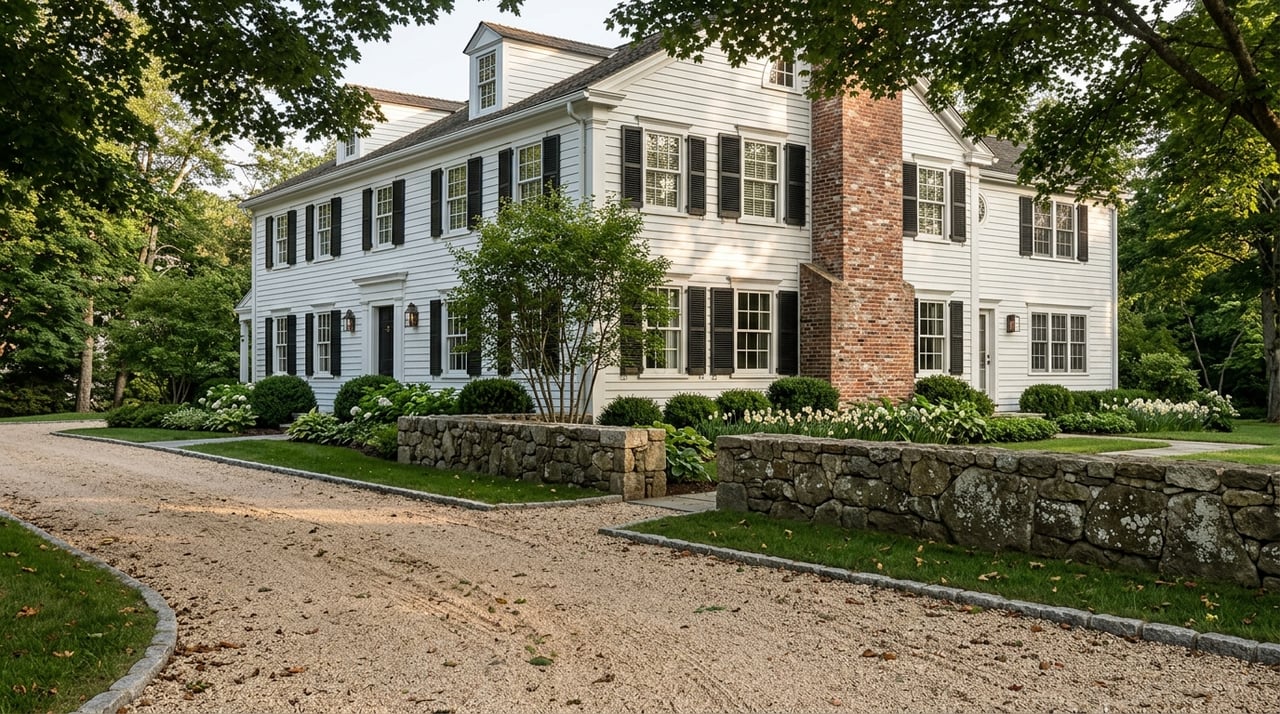
If you are looking for a town that feels peaceful without feeling isolated, Lincoln, MA may catch your attention quickly. You get a place where trails, farms, historic landmarks, and a compact village center all shape daily life. For buyers exploring MetroWest and Greater Boston suburbs, Lincoln offers a distinct mix of small-town character and practical access. Let’s dive in.
What makes Lincoln feel different
Lincoln stands out because it has held onto a rural identity while still functioning as a suburb within reach of Boston. According to town planning documents, Lincoln is about 18 miles from Boston and has evolved from a farming community into a suburban town while preserving working farms and open space.
That balance shows up in the way the town looks and feels. Many roads are described by the town as narrow and winding, with views of conservation land and open spaces. If you value a quieter setting with a strong connection to the landscape, that is a big part of Lincoln’s appeal.
Lincoln history is part of daily life
One of the most notable parts of Lincoln living is how visible history is in the everyday landscape. The Battle Road Trail at Minute Man National Historical Park runs 5.5 miles from Concord through Lincoln to Lexington, following parts of the original April 19, 1775 route.
This is not history tucked away behind glass. It is a trail people can walk and experience firsthand, with scenic beauty, biodiversity, and natural resources adding to its draw. That gives Lincoln a rare sense of place where recreation and historic significance overlap.
Lincoln also has an actively preserved built environment. The town’s Historical Commission oversees four historic districts and a neighborhood conservation district bylaw, helping protect the character that makes the town distinctive.
Architecture and heritage landmarks
Lincoln’s historic and architectural identity goes beyond its Revolutionary War connections. The Codman Estate adds another layer, with context tied to colonial-era land use, generations of the Codman family, and recognition that Lincoln is the traditional home of the Nipmuc people.
The town is also known for important modern architecture. Historic New England identifies Gropius House as a National Historic Landmark, and notes that nearby Woods End Road includes other modern homes by Walter Gropius, Marcel Breuer, and Walter Bogner.
That combination is unusual. In one town, you can find colonial-era stories, preserved estates, and landmark modern design, all contributing to a deeper neighborhood identity.
Nature is built into Lincoln living
For many buyers, Lincoln’s biggest lifestyle draw is access to the outdoors. The town says it has about 80 miles of trails across 2,400 acres of conservation land and private property, and that the Conservation Department stewards 1,600 acres of municipally owned conservation land.
That is a meaningful amount of protected space for a small suburb. It shapes how the town functions day to day, whether you like walking, running, birding, biking, horseback riding, skiing, or simply being near open land.
The town’s Conservation Department emphasizes a long-standing conservation ethic, and its trail guidance reflects how many different users share the network. This helps explain why Lincoln often feels more connected to woods, fields, and scenic roads than to typical suburban sprawl.
Trails, farms, and open space
Lincoln’s trail system is not just a weekend amenity. It is part of what gives the town its rhythm. When trails and conserved land are woven throughout the community, outdoor access becomes part of ordinary life instead of an occasional outing.
That same pattern shows up in Lincoln’s farm landscape. Drumlin Farm, operated by Mass Audubon, combines a working farm and wildlife sanctuary in one place, and CSA shares are distributed weekly from the farm in Lincoln.
The Codman Estate also connects history with open space, as the estate adjoins town conservation trails and invites visitors to walk in the woods there. For many people, that mix of agriculture, conservation, and walkable history is a major reason Lincoln feels so grounded.
Art adds another layer
Lincoln is not only about fields, trails, and historic sites. It also offers a strong cultural element through deCordova Sculpture Park and Museum, which The Trustees describe as a 30-acre park on the shore of Flint’s Pond with more than 50 sculptures on display.
That kind of destination adds something special to the town’s identity. It brings together landscape, art, and outdoor activity in a way that feels very natural for Lincoln. If you want a suburb where the surroundings feel thoughtful and memorable, this is part of the story.
Everyday convenience in a small center
Lincoln’s rural character does not mean everything is spread far apart. Town planning documents describe Lincoln Station as the village center and commercial core, and note that the MBTA Commuter Rail stop on the Fitchburg Line has served the town since before 1850.
That station area matters because it gives the town a practical center of gravity. Instead of large-scale suburban commercial strips, Lincoln has a more compact village pattern anchored by transit and local services.
This setup can appeal to buyers who want a quieter home environment but still value a recognizable town center. It creates a day-to-day experience that feels smaller in scale and easier to navigate.
Getting around Lincoln
Lincoln has also invested in improvements that support local connectivity. According to town information on Lincoln Road sidewalk construction and related projects, the town has added sidewalks, bike racks, a bike-repair system, a pocket park, and wayfinding signs.
These upgrades help connect Lincoln Station, schools, the commuter rail, local stores and restaurants, and nearby attractions such as Drumlin Farm Sanctuary and Codman Community Farms. That may sound simple, but it speaks to how the town prioritizes practical movement without changing its small-town feel.
For buyers, this often translates into a lifestyle where errands, recreation, and local destinations are relatively close together. In Lincoln, convenience tends to come in a quieter, lower-key form.
The neighborhood feel buyers notice
Lincoln’s neighborhood feel is shaped less by large subdivisions or busy retail corridors and more by land, history, and preservation. The town’s planning documents specifically note its rural character, and that is important context if you are comparing Lincoln with other suburbs in the Cambridge-Newton-Framingham area.
What many buyers notice is the sense of breathing room. Open spaces, scenic roads, farms, and trails help create a setting that feels calm and established.
At the same time, Lincoln is not frozen in the past. The presence of the village center, the commuter rail, and civic investment around local connections gives the town a practical side that supports daily routines.
Why Lincoln appeals to different buyers
Lincoln can resonate with different kinds of buyers for different reasons:
- History-minded buyers may appreciate the town’s connection to the Revolutionary War, preserved districts, and landmark properties.
- Outdoor-focused buyers may be drawn to the trail system, conservation land, and working farm landscape.
- Commuters may value the MBTA Fitchburg Line access at Lincoln Station.
- Buyers seeking a quieter setting may connect with the town’s rural character and limited commercial intensity.
What ties these together is lifestyle. Lincoln offers a setting where open space, heritage, and village-scale convenience all play a role.
What to keep in mind when considering Lincoln
Every town has a distinct personality, and Lincoln’s is especially clear. If you are looking for dense commercial areas, wide roads, or a more conventional suburban layout, Lincoln may feel different from what you expect.
If, on the other hand, you are hoping to find a place where nature, architecture, and local history are part of everyday surroundings, Lincoln has a compelling case. It is one of those communities where the landscape itself helps define how life feels.
For buyers trying to decide whether Lincoln is the right fit, it helps to look beyond square footage or commute time alone. The real question is whether you want your daily environment to feel connected to trails, preserved land, a small village center, and a strong sense of local identity.
If you are exploring Lincoln or comparing MetroWest communities, Ashley Fuller can help you evaluate the lifestyle, location, and market context so you can move with confidence.
FAQs
What is daily life like in Lincoln, MA?
- Lincoln offers a small-town lifestyle shaped by conservation land, trails, farms, historic landmarks, and a village center around Lincoln Station.
What outdoor features make Lincoln, MA unique?
- The town says Lincoln has about 80 miles of trails on 2,400 acres of conservation land and private property, with extensive opportunities for walking, running, biking, birding, and more.
What historical sites are important in Lincoln, MA?
- Key sites include the Battle Road Trail in Minute Man National Historical Park, Codman Estate, Gropius House, and Lincoln’s locally protected historic districts.
Is Lincoln, MA convenient for commuting?
- Yes. Town documents identify Lincoln Station as the MBTA Commuter Rail stop on the Fitchburg Line and describe it as the town’s village center and commercial core.
What gives Lincoln, MA its neighborhood feel?
- Lincoln’s neighborhood feel comes from its preserved rural character, scenic roads, open space, village-scale center, and the close relationship between history, conservation, and daily life.