Wondering whether you should renovate before selling your Wellesley home? It is a smart question, especially in a market where buyers often notice condition, finish level, and how quickly a home feels ready to enjoy. The good news is that you do not always need a major remodel to make a strong impression or support your sale price. In most cases, the best pre-sale strategy is to focus on the updates that help your home feel well cared for, current, and easy to move into. Let’s dive in.
Start With Your Wellesley Micro-Market
In Wellesley, renovation decisions should be tied to your immediate price point and submarket, not just town-wide averages. Recent market snapshots put Wellesley near the $2 million mark overall, but neighborhood medians vary meaningfully, from around $1.395 million in Wellesley Square to about $2.397 million in Wellesley Hills, with Dana Hall and Fells landing in between.
That matters because buyers compare your home to nearby alternatives first. A light cosmetic refresh may be enough in one pocket of town, while another area may require a more polished presentation to stay competitive. The right answer is usually not “renovate everything.” It is “prepare your home to compete with the homes buyers will cross-shop.”
Why Condition Matters in Wellesley
Wellesley is a mostly owner-occupied market, with 84.4% owner occupancy and a median owner-occupied home value above $1.58 million, according to recent Census estimates. The same estimates show very high household income and education levels, which often translates into buyers paying close attention to presentation, upkeep, and finish quality.
You can also see that buyer expectations are shaped by convenience and timing. Wellesley Public Schools serves 3,832 students in 2025-26, and school-related moves often put a premium on homes that feel move-in ready. If a buyer is trying to line up a purchase with a life transition, visible deferred maintenance can become a bigger obstacle than you might expect.
That broader trend is backed up by national remodeling research as well. The 2025 Remodeling Impact Report found that 46% of buyers are less willing to compromise on home condition. In practical terms, buyers may forgive older finishes more easily than obvious repair issues.
The Short Answer: Usually Refresh, Not Fully Renovate
For most Wellesley sellers, a targeted refresh makes more sense than a full renovation. Buyers tend to reward homes that feel fresh, maintained, and easy to enjoy right away.
That means your best pre-sale dollars often go toward:
- Fresh paint
- Visible repairs
- Decluttering
- Deep cleaning
- Curb appeal improvements
- Strategic staging
- Select kitchen or bath touch-ups
A full custom renovation, on the other hand, can be expensive, time-consuming, and too personal in style. If your goal is to sell efficiently and protect your return, simpler updates are often the smarter move.
Renovations That Often Make Sense
Fresh Paint and Cosmetic Updates
Painting is one of the most commonly recommended pre-listing projects, and for good reason. Light neutral paint can brighten rooms, reduce distractions, and help buyers focus on space rather than your personal style.
Small cosmetic updates also matter more than many sellers think. Refreshing a front door, changing dated hardware, improving lighting, and tightening up worn details can make the home feel more current without requiring a major investment.
Visible Repairs Buyers Notice
Before you think about bigger upgrades, handle the issues that signal neglect. Leaky faucets, squeaky doors, dead outlets, chipped trim, loose handles, and similar items can create a ripple effect in a buyer’s mind.
When buyers notice small maintenance problems, they often start wondering what larger issues may be hiding. In a market like Wellesley, that can affect both confidence and leverage during inspection.
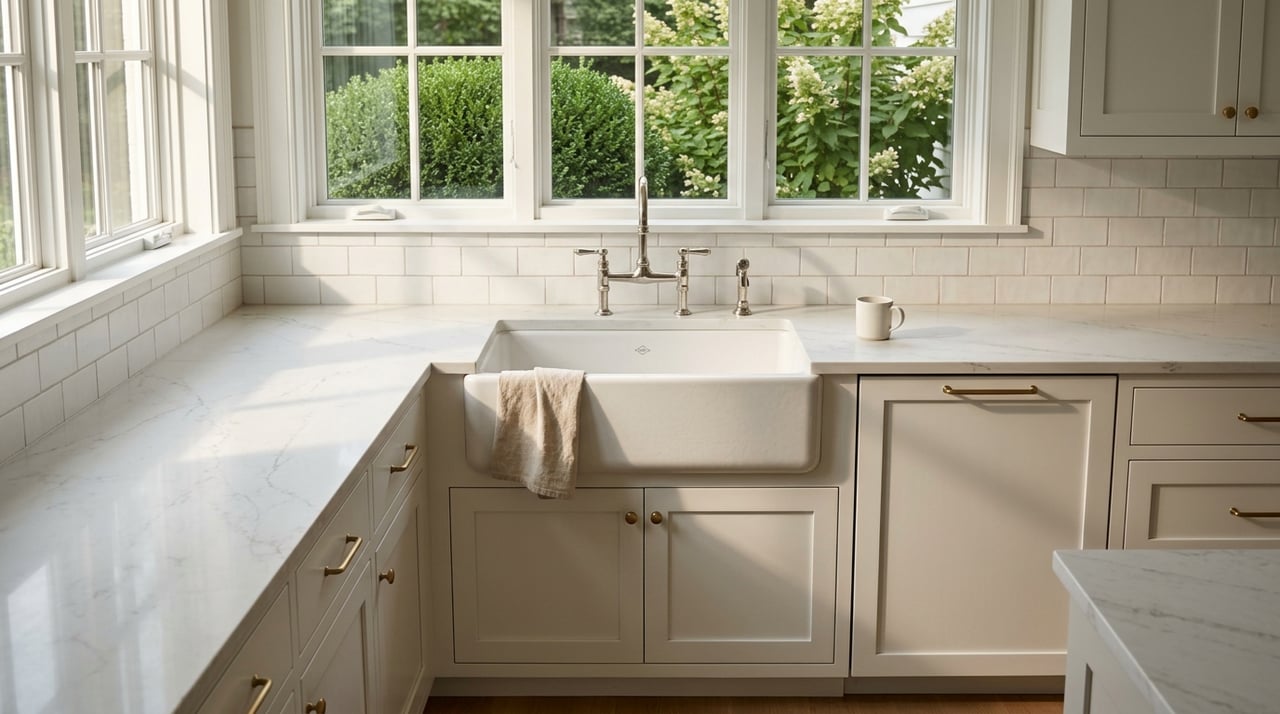
Minor Kitchen Improvements
If your kitchen feels dated but functional, a minor kitchen remodel may be worth considering. Boston-area Cost vs Value data shows a minor kitchen remodel recouping 119.2%, while a full midrange kitchen remodel recouped just 40.8%.
That gap is important. It suggests that a seller is often better off refreshing surfaces, finishes, or fixtures rather than taking on a full gut renovation that the next owner may want to redesign anyway.
Curb Appeal Projects
First impressions still carry real weight. In the Boston market, garage door replacement showed especially strong recoup, along with steel entry door replacement and manufactured stone veneer.
You may not need all of those projects, but the takeaway is clear. Exterior improvements that make the home look crisp, updated, and cared for can help buyers feel positive before they even step inside.
Strategic Staging
Staging can be especially valuable in higher-end homes or homes with layouts that are harder to read. Seller prep guidance also notes that staging key rooms helps buyers picture the property as their future home, and NAR research cited there found that 83% of buyers’ agents say staging makes that visualization easier.
In Wellesley, where buyers may be comparing several substantial homes at once, that emotional clarity can make a difference. Partial staging is often enough if you want to highlight the main living areas, primary suite, and key entertaining spaces.
Projects That Usually Do Not Pay Off
Full Kitchen Gut Renovations
A full kitchen remodel may sound like the safest path, but the numbers do not always support it. In the Boston area, a midrange kitchen remodel recouped only 40.8%, far below the return on a minor kitchen update.
Unless the kitchen has a serious layout or condition problem, a gut renovation is often more work and cost than a seller needs. Many Wellesley buyers at higher price points prefer to make those design decisions themselves.
Additions and Big Expansions
Large additions are usually a poor fit for a pre-sale timeline. Boston-area data shows relatively modest recoup for a midrange bathroom addition, a primary suite addition, an accessory dwelling unit, and even a basement remodel.
These projects may make sense if you are staying long term. If you are preparing to sell, they are usually too expensive and too slow to justify.
Replacing Everything Automatically
Not every older feature needs replacement. Roofing, windows, and siding are often better viewed as condition-related projects rather than guaranteed profit centers.
If those items are failing, leaking, damaged, or likely to raise concern during inspection, addressing them can be wise. If they are simply not brand new, replacing them just to list may not be your best move.
When a Bigger Renovation May Be Worth It
There are exceptions. A larger pre-sale project can make sense if it corrects a true deficiency that would place your home at a disadvantage against nearby listings.
Examples might include:
- A kitchen that is badly worn or not functional
- Bathrooms with obvious damage or severe dated condition
- Exterior elements that hurt curb appeal significantly
- A layout issue that makes the home harder to market
- Repair needs likely to derail inspection or financing
The key is to solve a market problem, not to over-improve. In Wellesley, where neighborhood and price point can shift buyer expectations, this kind of decision should be tied closely to nearby comparable homes.
Watch the Timeline Before You Commit
Renovation decisions are not just about money. They are also about timing.
Seller prep guidance suggests many homeowners start preparing 60 to 90 days before listing. A typical schedule may include 8 to 12 weeks for major prep, 6 to 8 weeks for repairs, 4 to 6 weeks for decluttering and staging, 2 to 4 weeks for photography prep, and 1 to 2 weeks for final touches.
If you are considering permitted work in Wellesley, build in more time. The town states that most projects require a building permit, and new-construction permit review generally takes 10 to 14 days. Plumbing, gas, and electrical permits are handled through the Building Department, and the town advises speaking with the Building Inspector or Zoning Enforcement Officer before applying.
Wellesley also adopted the Massachusetts Stretch Energy Code, which applies to renovations and additions to existing residential buildings. So even a well-intentioned upgrade can trigger extra review steps that slow your listing timeline.
Do Not Overlook Permits and Paperwork
If you decide to do work before selling, documentation matters. Gather permits for renovations and major repairs, along with records of known issues and completed fixes.
That paperwork can help reassure buyers and reduce the chance of last-minute questions. It also helps your listing present as organized, transparent, and well managed.
When interviewing contractors, ask:
- Who will pull the permits
- Which trades require licensed subcontractors
- How the work will be documented
- Whether lead-safe certification is needed for the job
These are especially important questions in Wellesley because permit requirements can apply to more projects than sellers expect.
Special Note for Older Wellesley Homes
Many Wellesley homes were built before 1978, so lead-related rules may apply. The EPA says most sales of homes built before 1978 are subject to the Lead-Based Paint Disclosure Rule, and renovation, repair, and painting work can create hazardous dust if not handled properly.
If your home falls into that category, use lead-safe practices and make sure disclosure paperwork is handled correctly. This is one area where cutting corners can create real risk during the selling process.
A Simple Framework for Deciding
If you are unsure whether to renovate before selling, use this checklist:
Refresh if your home has:
- Solid layout and overall good condition
- Dated but functional kitchen or baths
- Cosmetic wear that affects presentation
- Small repair issues buyers will notice
- Rooms that would benefit from paint, editing, or staging
Renovate more seriously if your home has:
- Major condition issues
- Visible deferred maintenance that could scare buyers
- Functional problems that hurt daily use
- Features far below nearby competing homes
- Deficiencies likely to create inspection trouble
In many cases, the winning strategy is simple: fix what is broken, freshen what feels tired, and avoid spending heavily on someone else’s dream renovation.
If you are preparing to sell in Wellesley and want a plan tailored to your home, neighborhood, and timeline, Ashley Fuller can help you decide where pre-sale dollars will matter most and how to position your home for a strong market debut.
FAQs
Should you renovate before selling a home in Wellesley?
- Usually, a targeted refresh is the better choice. In Wellesley, visible repairs, paint, staging, and curb appeal often make more sense than a full remodel unless the home has a true deficiency.
What home improvements add the most value before selling in Wellesley?
- The strongest pre-sale improvements are often fresh paint, minor kitchen updates, curb appeal improvements, visible repairs, and strategic staging. Boston-area data also showed strong recoup for garage door and steel entry door replacement.
Is a full kitchen remodel worth it before selling a Wellesley home?
- Often, no. Boston-area Cost vs Value data showed a full midrange kitchen remodel recouping far less than a minor kitchen remodel, which supports refreshing rather than gutting the space in many cases.
How far in advance should you prepare a Wellesley home for sale?
- Many sellers benefit from starting 60 to 90 days before listing. That allows time for repairs, decluttering, staging, photography prep, and final touch-ups.
Do you need permits for renovation work before selling in Wellesley?
- Many projects do require permits in Wellesley, especially work involving structure, utilities, or exterior changes. The town recommends checking with the Building Department before starting.
What if your Wellesley home was built before 1978?
- You may need to follow lead-related disclosure rules, and renovation or paint work should use lead-safe practices. This is an important part of safe and compliant pre-sale preparation for older homes.